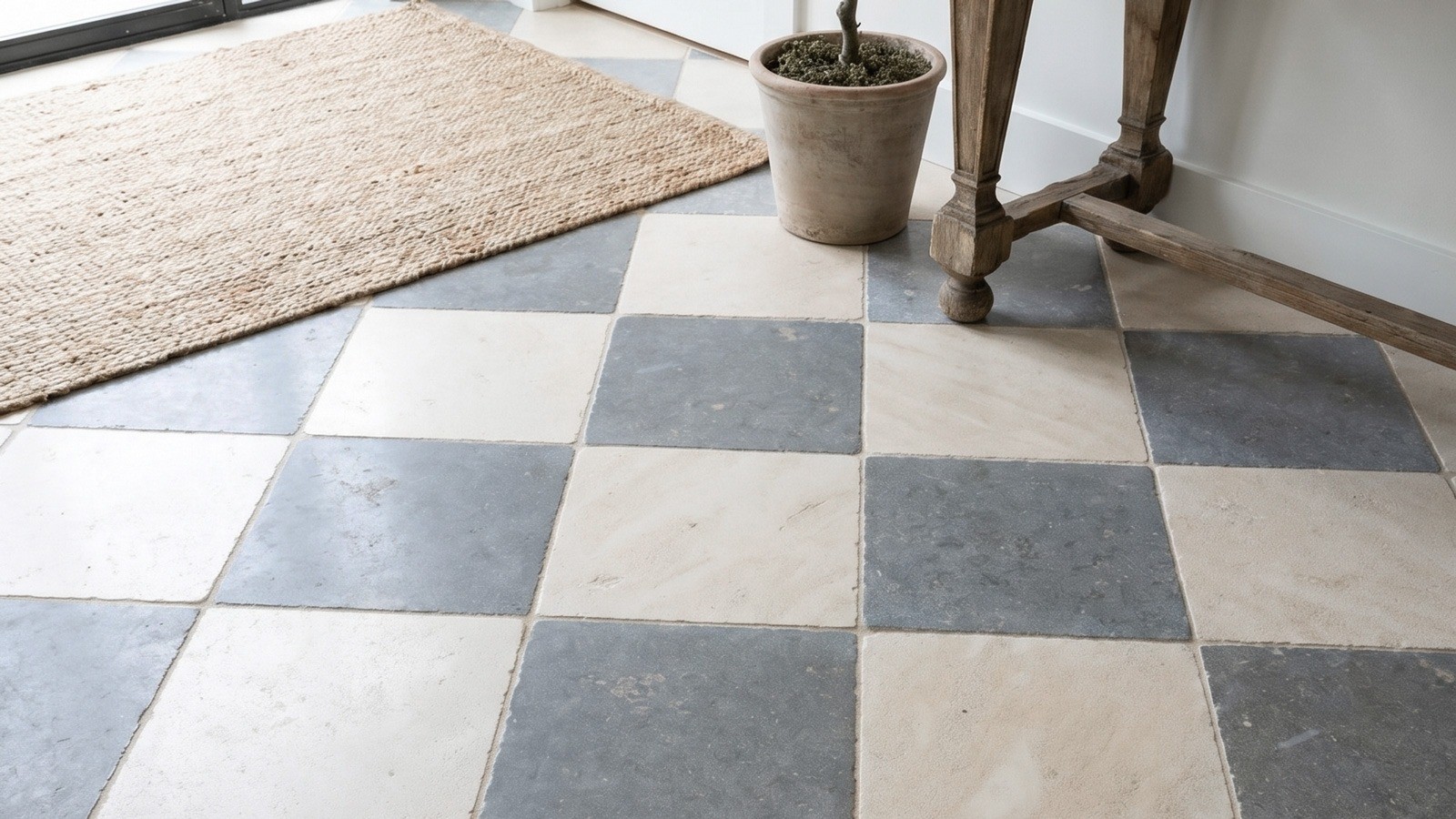
While many people focus on color or pattern, architects, designers and stone professionals evaluate stone options based on its usage, hardness, porosity, structural performance, finish, aging characteristics, and how it interacts with light.
Here's a breakdown of the major stone categories and what makes each unique.
Performance – Will it withstand its intended use? A busy kitchen demands different properties than a powder room.
Light interaction – Some stones absorb light, some reflect it, and others, like onyx or certain marbles, transmit it.
Scale of movement – Large, sweeping veining suits expansive surfaces, while tighter patterns can feel more appropriate in smaller spaces.
Color consistency – Some projects call for uniformity; others celebrate natural variation from slab to slab.
Aging characteristics – Will the stone develop a desirable patina, or should it retain a consistent appearance with minimal maintenance?
Finish – The finish influences not only the look but also slip resistance, maintenance, and how the stone interacts with light.
Marble
Formation
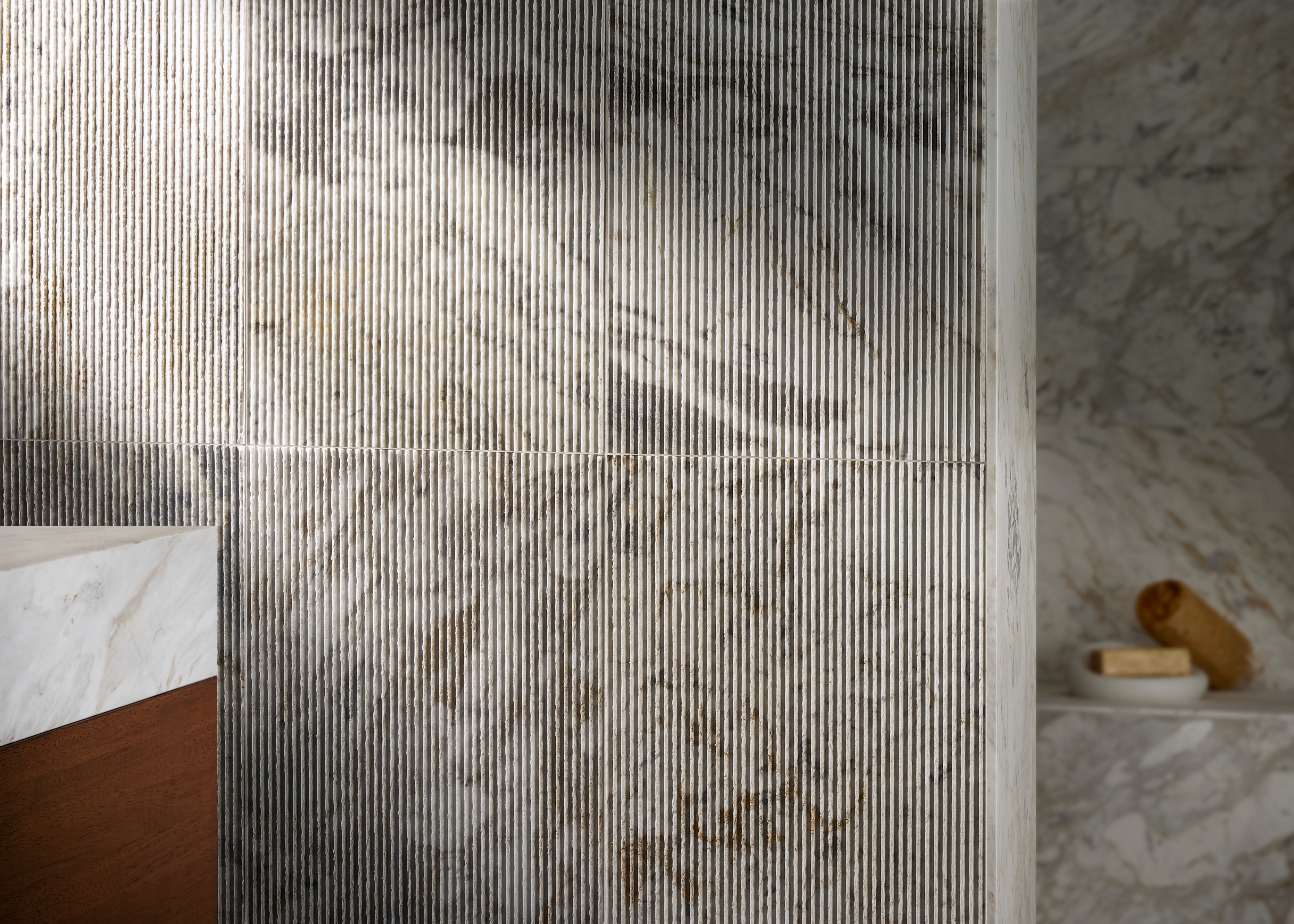
Marble is limestone that has been transformed by heat and pressure over millions of years.
Characteristics
Soft compared to granite
Rich veining
Slight translucency that gives it depth
Polishes beautifully
Develops a patina over time
Why designers love it
Marble has an unmatched sense of luxury because light penetrates slightly beneath the surface before reflecting back. This creates visual depth that engineered materials struggle to replicate.
Best applications
Bathroom vanities
Fireplace surrounds
Wall cladding
Furniture
Sculptures
Low-use countertops
Flooring in formal spaces
Considerations
Because marble contains calcite:
acids etch it
it stains more easily
scratches more readily
Many designers actually embrace these characteristics, especially in European-inspired homes
Limestone
Formation
Compressed marine sediments composed mostly of calcium carbonate.
Characteristics
Softer than granite
Fine texture
Warm neutral colors
Fossils often visible
Ages gracefully
What makes it unique
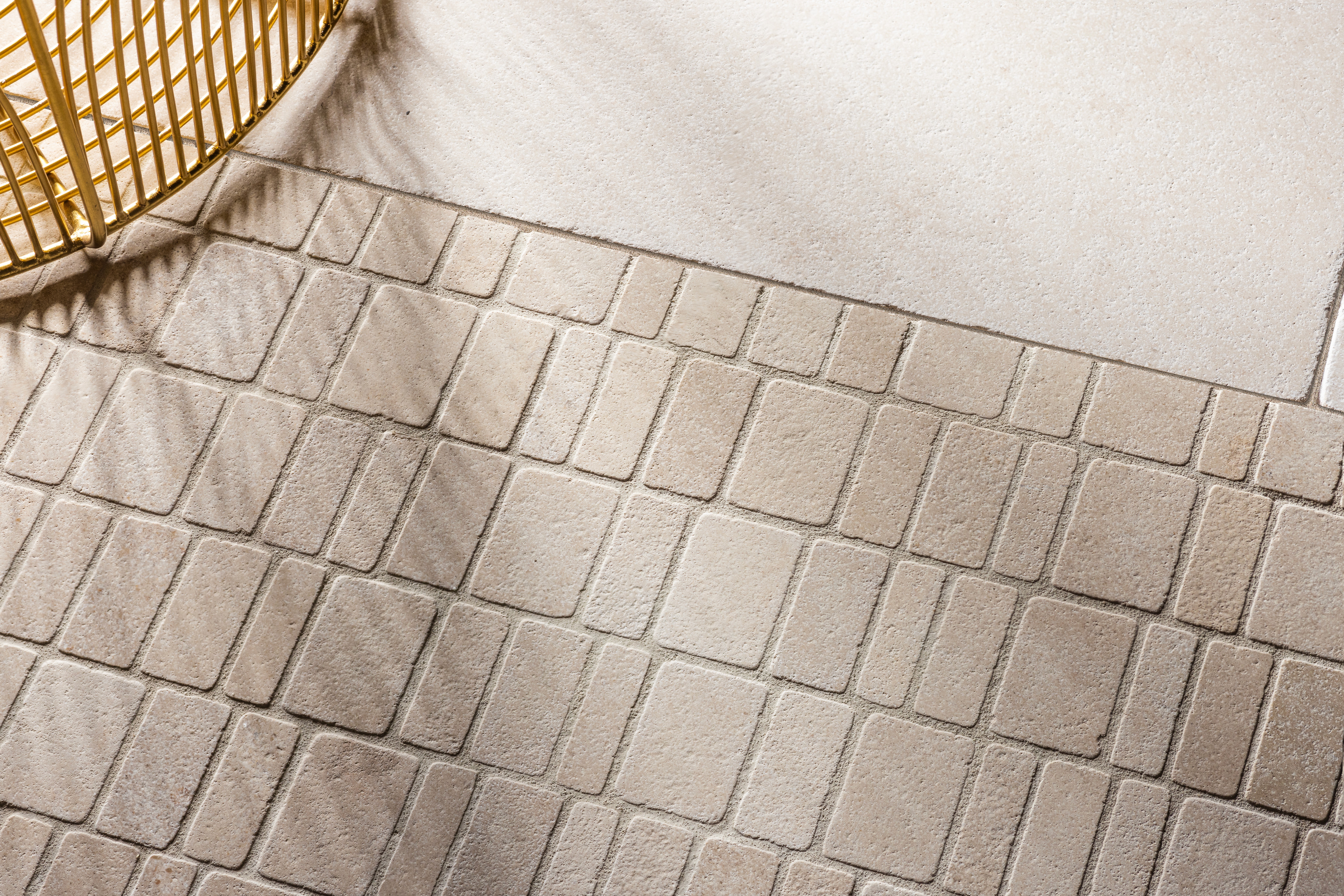
Limestone reflects light softly rather than sharply.
It creates a calm, matte appearance that architects often describe as "quiet."
This is one reason limestone is so common in Mediterranean, French, Belgian, and English architecture.
Best applications
Exterior facades
Fireplaces
Flooring
Staircases
Garden architecture
Columns
Pool coping
Courtyards
Why designers choose it
It feels timeless rather than flashy.
As it wears, it becomes even more beautiful.
Travertine
Formation
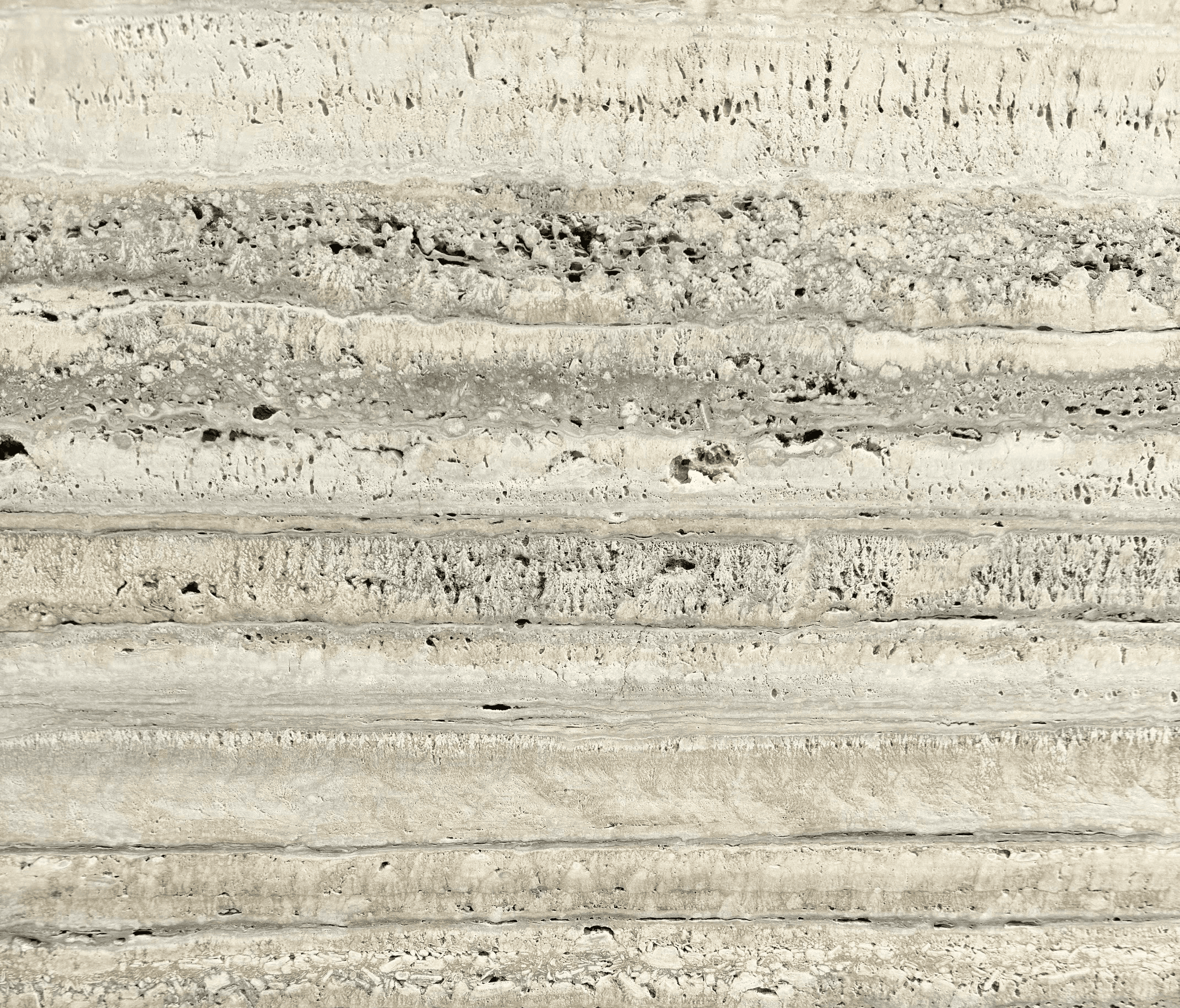
Travertine is a type of limestone deposited by mineral springs. The holes are gas bubbles trapped during formation.
Characteristics
Natural voids
Warm earth tones
Available filled or unfilled
Vein-cut or cross-cut
Unique qualities
Travertine is one of the few stones whose orientation dramatically changes its appearance. Vein-cut creates long linear movement.
Cross-cut creates cloud-like patterns.
Best applications
Outdoor paving
Pool decks
Bathrooms
Flooring
Mediterranean architecture
Why it remains popular
It stays relatively cool in sunlight and provides a classic Roman aesthetic
Granite
Formation
Slow cooling magma deep underground.
Characteristics
Extremely hard
Scratch resistant
Heat resistant
Dense
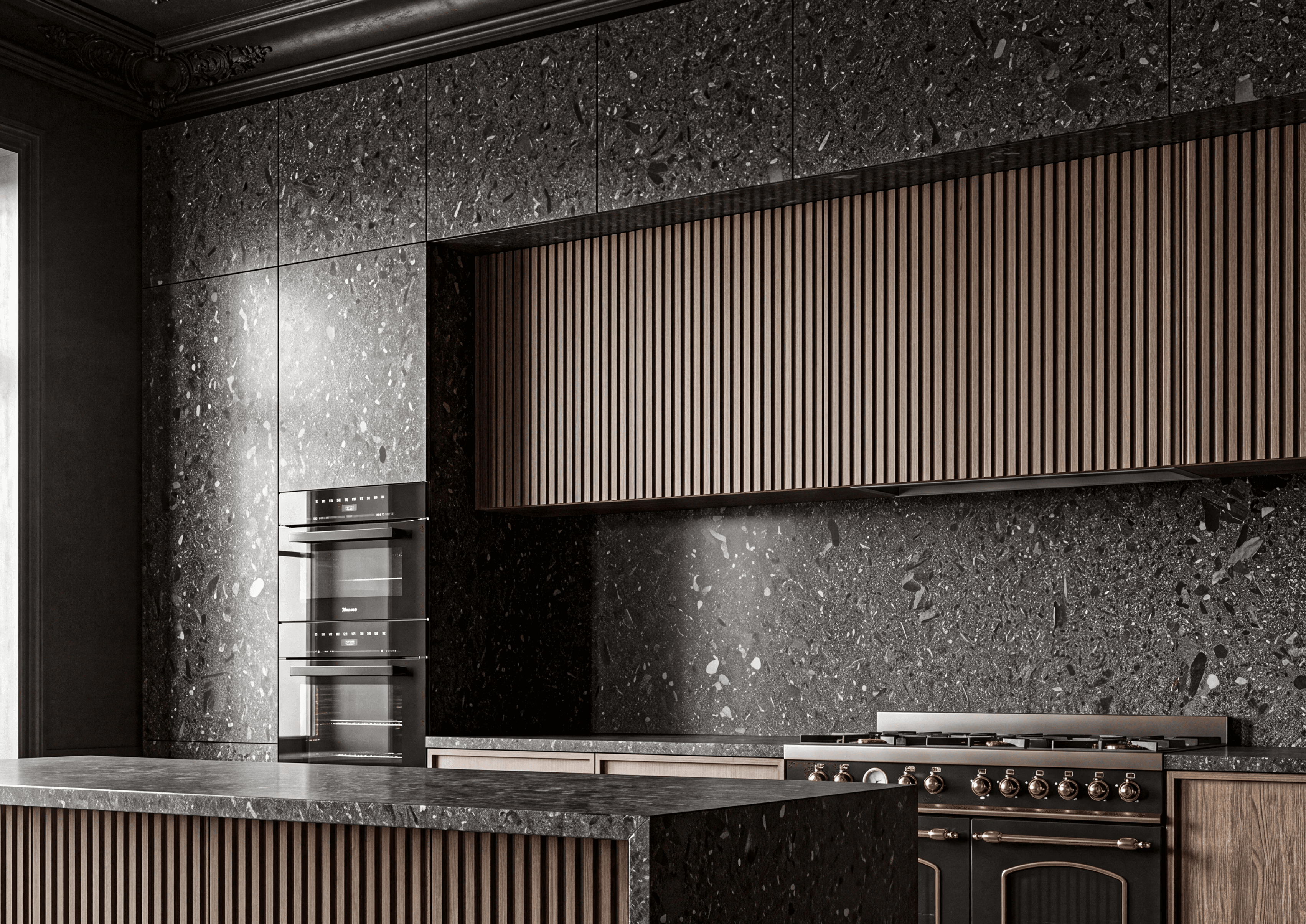
Visible crystals
What makes granite unique
Unlike marble, granite is composed of interlocking mineral crystals.
Best uses
Kitchen countertops
Exterior paving
Commercial buildings
High traffic floors
Outdoor kitchens
Why it's preferred
Its durability is difficult to match.
Quartzite
Formation
Sandstone transformed under intense heat and pressure.
Characteristics
Very hard
Heat resistant
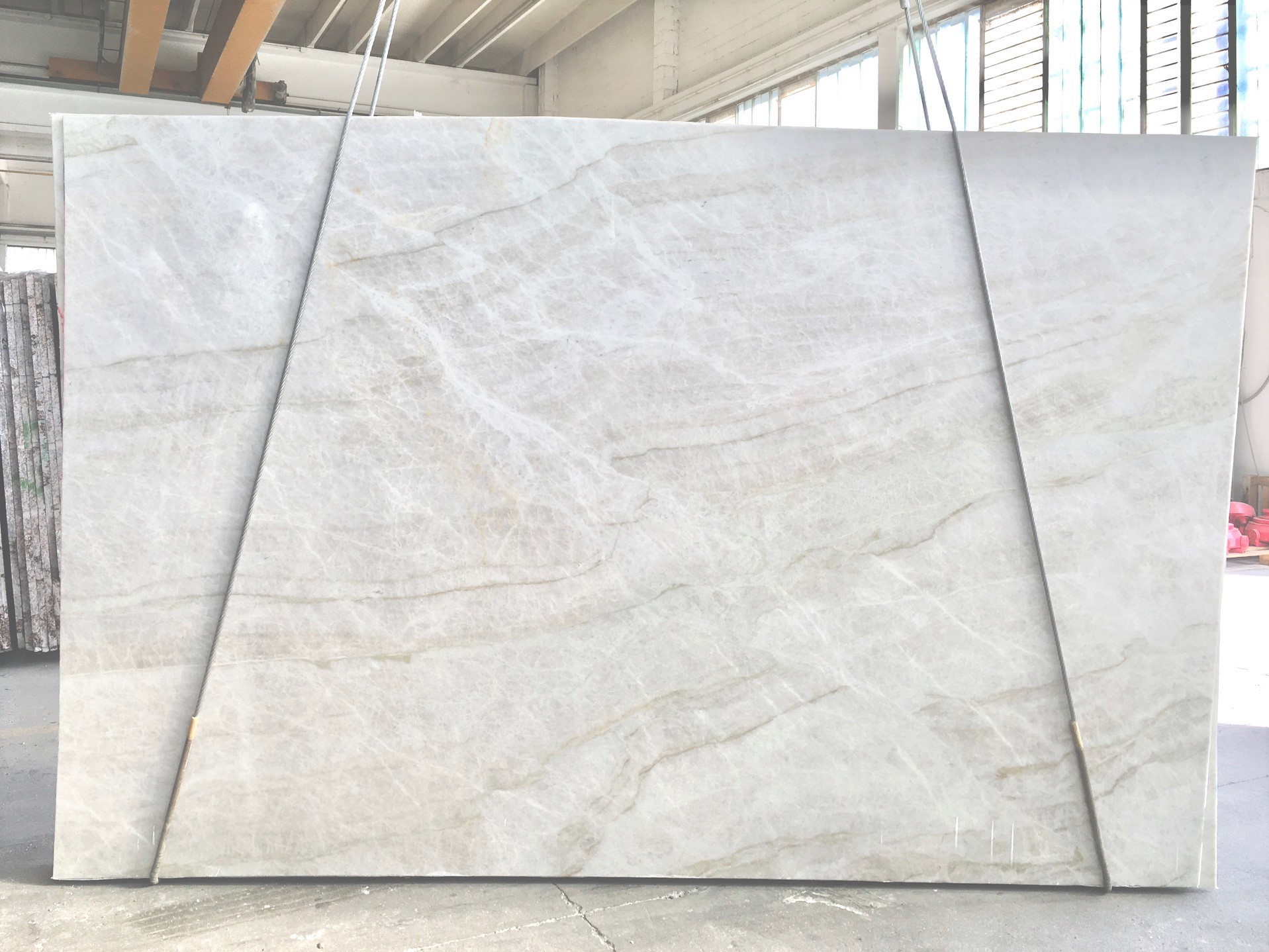
Dramatic movement
Often mistaken for marble
Why designers love it
Quartzite combines marble-like elegance with granite-like durability.
This is why it has become one of the most sought-after countertop materials.
Best applications
Kitchens
Bathrooms
Feature walls
Fireplace surrounds
Premium varieties
Taj Mahal
Cristallo
Blue Roma
Fusion
Macaubas
Slate
Characteristics
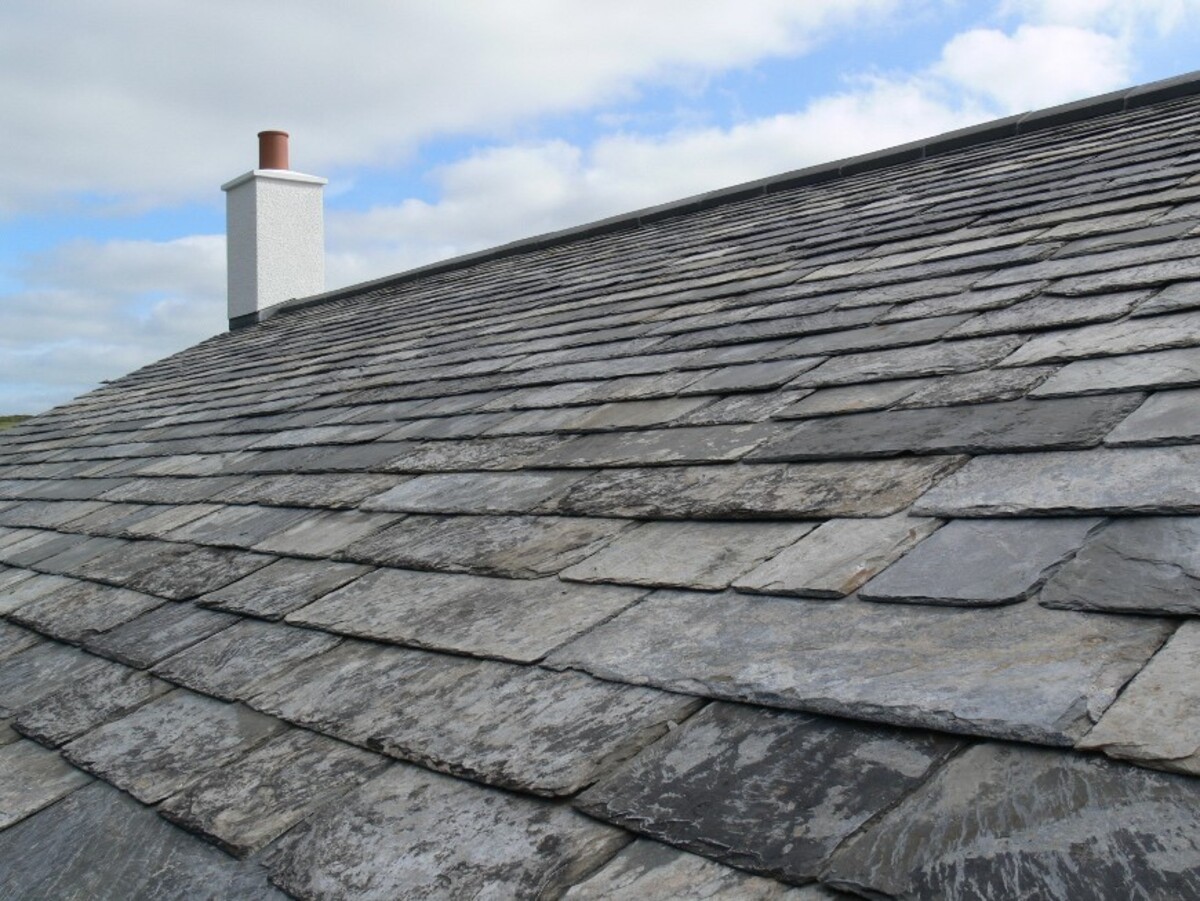
Splits naturally into thin layers
Textured
Slip resistant
Dark earthy colors
Best uses
Roofing
Flooring
Exterior paving
Accent walls
Hearths
Why architects use it
Its cleft texture provides grip while creating a rugged natural appearance.
Soapstone
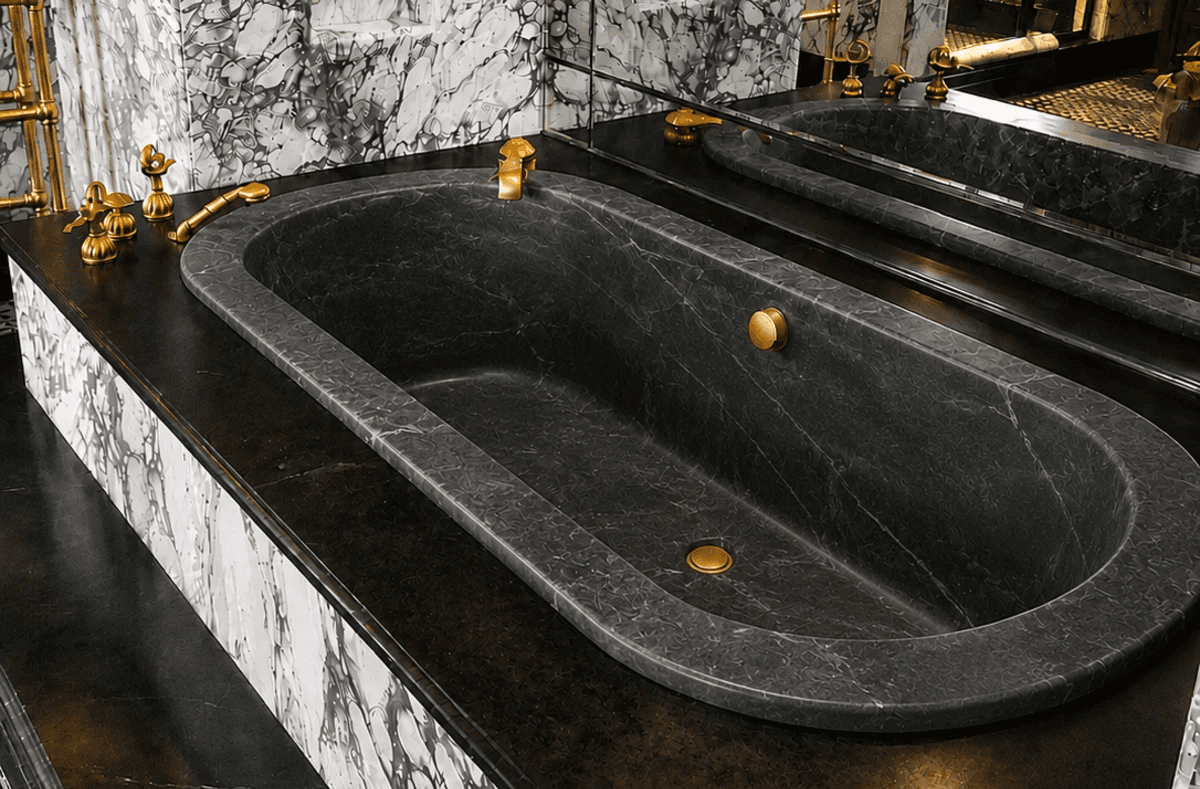
Characteristics
Smooth
Dense
Non-porous
Rich charcoal color
Develops a patina
Unique property
Unlike most stones, soapstone is chemically inert.
Preferred uses
Laboratory counters
Kitchen counters
Farm sinks
Fireplaces
Onyx

The most translucent stone.
Used primarily for:
Backlit walls
Bars
Reception desks
Luxury bathrooms
Not recommended for heavy-use countertops.
Sandstone
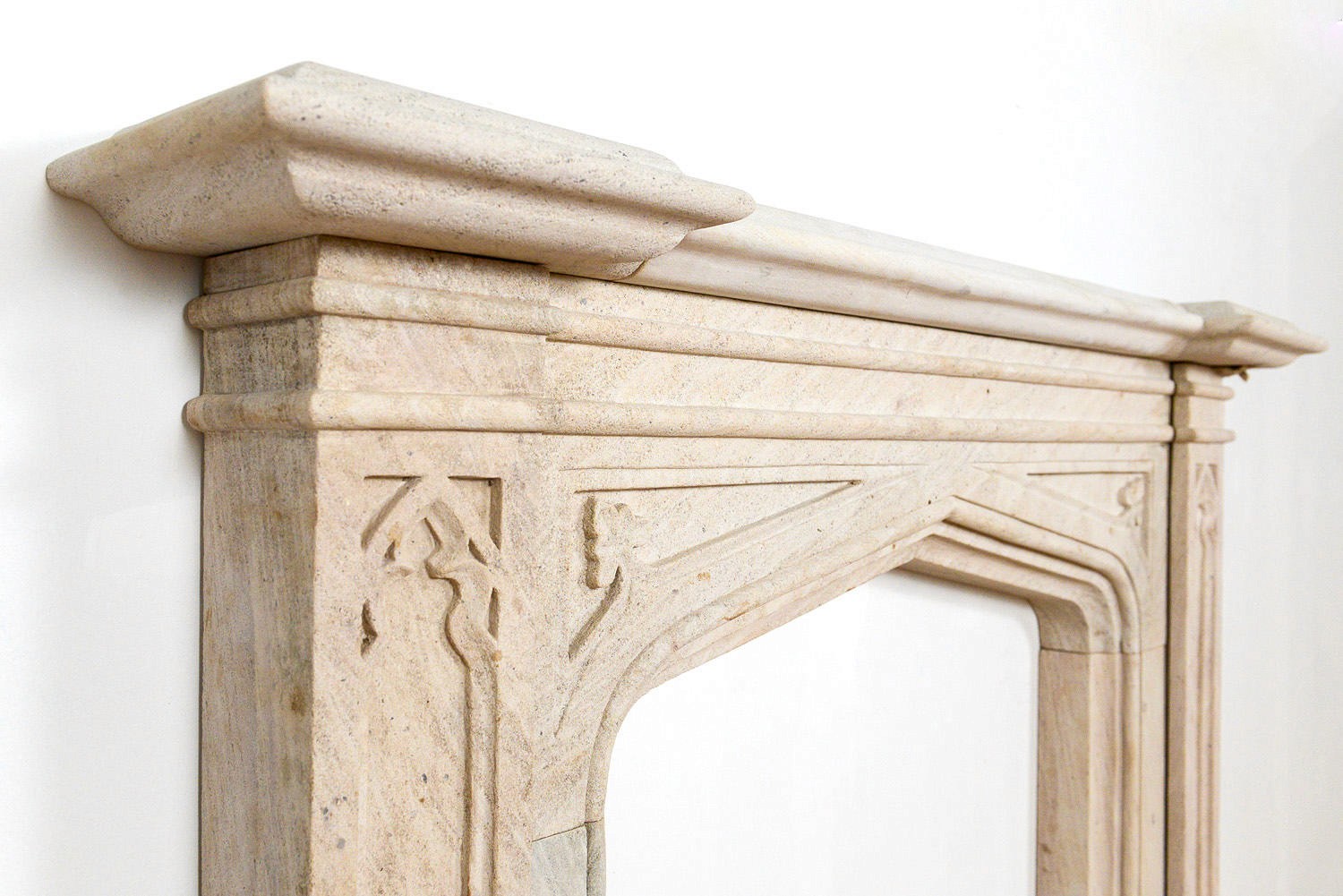
Warm texture with visible grains. Excellent for:
Exterior paving
Pool surrounds
Garden walls
Landscape architecture
Surface Finishes Matter as Much as the Stone
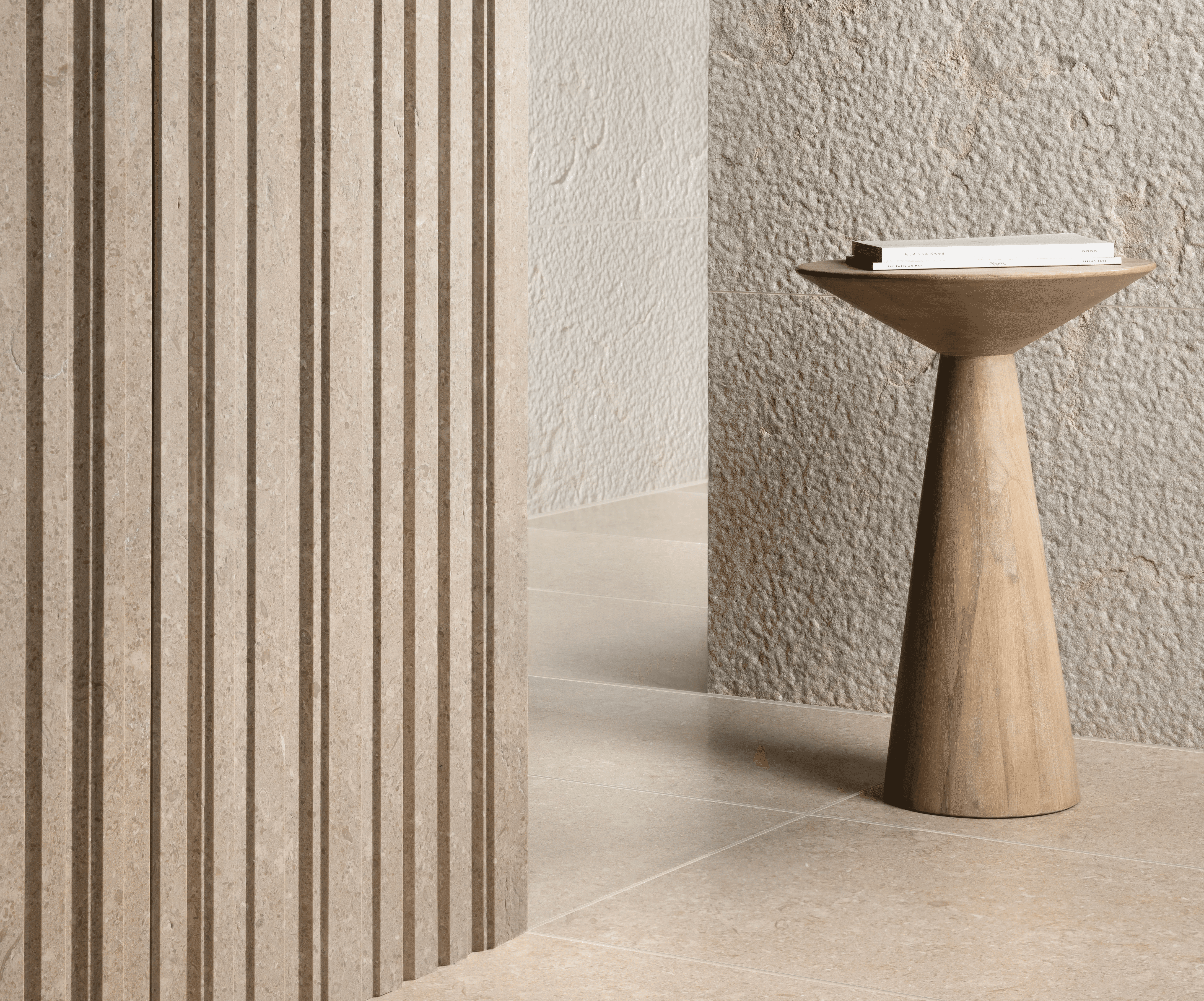
The same stone can feel completely different depending on its finish.
Finish | Appearance | Typical Uses |
Polished | Reflective, vibrant color | Countertops, feature walls |
Honed | Matte, soft | Bathrooms, flooring |
Leathered | Textured with depth | Kitchen islands, vanities |
Brushed | Weathered, tactile | Rustic interiors |
Flamed | Rough, slip-resistant | Exterior paving |
Bush-hammered | Uniform textured surface | Public plazas, steps |
Sandblasted | Soft, weathered | Facades, garden walls |
For an interior designer, understanding these differences goes beyond aesthetics. The most successful projects balance the geological properties of the stone with the visual experience it creates, ensuring that the material not only looks beautiful on installation day but also performs well and ages appropriately over decade